Az ellátási lánc menedzsment újragondolása
Over the years, supply chain management has transformed from a straightforward logistical function to a complex system overseeing end-to-end product flow. What once were linear processes have become intricate networks responding to industry and economic shifts. As industries evolve rapidly, businesses that don’t stay abreast of supply chain advancements risk significant costs.
Whether it’s a drastic change in consumer demands or a sudden global pandemic, being equipped with the knowledge of trends enables businesses to make informed decisions. Establishing a resilient and agile supply chain ensures that regardless of external challenges, businesses can pivot efficiently and meet their goals.
In this article, we will delve deeper into specific trends shaping the landscape of supply chain management.

1. A fenntarthatóság előtérbe helyezése
Az ellátási lánc egyik legfontosabb trendje a fenntarthatóságra helyezett növekvő hangsúly. Ahogy a globális felmelegedés, az erőforrások kimerülése és a társadalmi elvárások nőnek, a vállalatok felismerik a zöld ellátási lánc menedzsment folyamatának fontosságát. Például:
- Reusable packaging: Companies like Loop have partnered with renowned brands to offer consumer products in reusable packaging. Once the product is consumed, the packaging is returned, cleaned, and reused, thereby reducing waste.
- Ethical sourcing: Brands like Patagonia emphasise the importance of traceable down and organic cotton, ensuring that materials are sourced responsibly without harming the environment or exploiting workers.
- Circular economy models: Companies like Ikea have adopted a circular economy approach where products are designed to be reused, repaired, and recycled, thus ensuring minimal wastage.
A fenntartható stratégiák nemcsak a környezetet segítik, hanem vonzóbbá teszik a vállalkozásokat a tudatos fogyasztók számára, növelve a márkahűséget és a profitot.
2. A testreszabás elfogadása
A fogyasztói igények gyorsan változnak, és jelentősen eltolódnak a személyre szabás felé. Ezért a személyre szabás integrálása az ellátási lánc folyamatába elengedhetetlenné válik. Például:
- Customised footwear: Brands like Nike allow consumers to design their shoes, selecting everything from the colour to the type of material, ensuring each pair is unique to the individual’s taste.
- Personalised beauty regimens: Brands like Curology and Function of Beauty have emerged in the beauty industry, offering personalised skincare and haircare formulations. After analysing individual profiles, preferences, and concerns, they produce products tailored specifically for each customer.
- 3D-printed products: With the advancements in 3D printing, businesses across industries, from fashion to healthcare, are offering bespoke products crafted as per individual specifications.
Nem csak a különböző termékváltozatok kínálatáról van szó, hanem a teljes ellátási lánc működésének testreszabásáról a hatékonyság biztosítása érdekében, még egyedi termékek gyártása esetén is. A tömegtermelésről a tömeges testreszabásra való áttérés agilisabb ellátási lánc megközelítést igényel.
3. A digitalizáció szükségessége
Ahogy a világ egyre inkább összekapcsolódik, a digitalizált ellátásilánc-menedzsment folyamat segít a vállalkozásoknak valós idejű adatok hasznosításában, a folyamatok optimalizálásában és a prediktív döntések meghozatalában. Íme néhány példa a digitalizáció alkalmazására:
- AI-powered demand forecasting: Artificial Intelligence (AI) is used to analyse market trends, past sales data, and social media sentiment. This assists businesses in predicting future product demands more accurately and aligning their inventory accordingly.
- Blockchain: Blockchain technology offers enhanced transparency, traceability, and security. This decentralised ledger technology streamlines processes, reduces fraud and ensures product authenticity, revolutionising how goods move from origin to consumer.
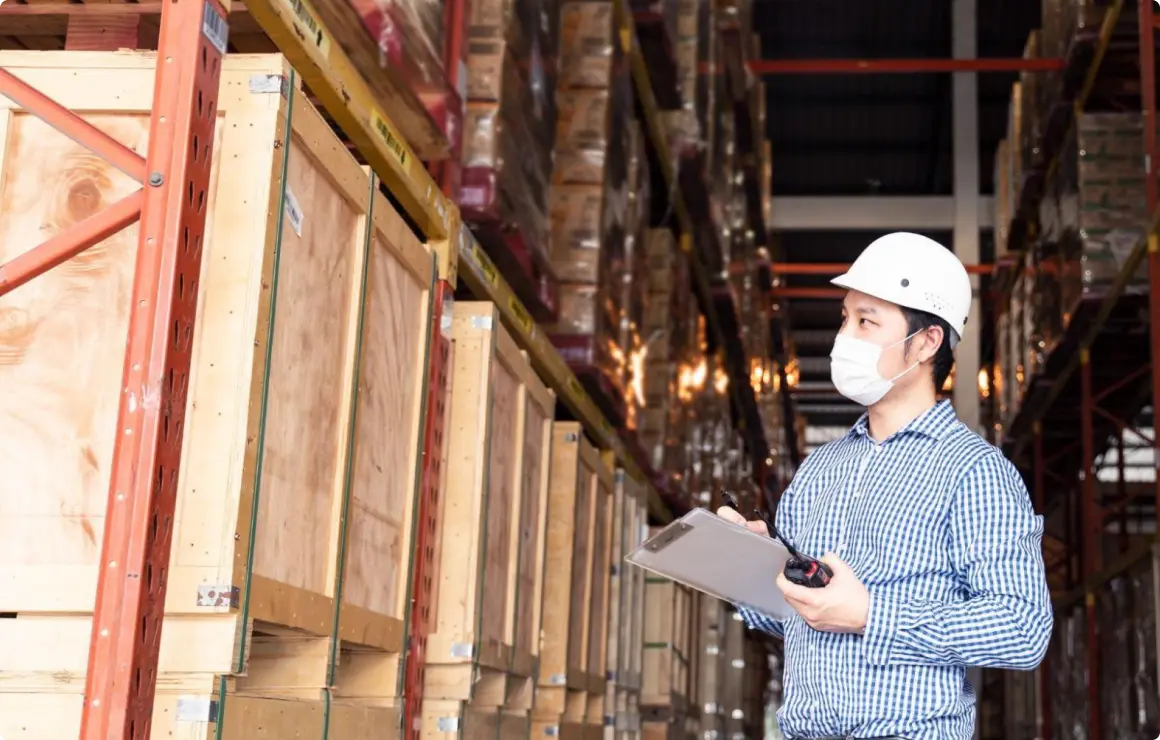
- Smart warehouses: Amazon’s Kiva robots, operating in their fulfilment centres, are an excellent example of digitising warehouse operations. These robots fetch products and bring them to human operators, speeding up the order fulfilment process and reducing errors.
Ez a digitális előrelépés egy rugalmasabb ellátási láncot biztosít, amely felkészült a kihívások kezelésére és a lehetőségek kiaknázására.
4. A fokozott láthatóság fontossága
In today’s complex global marketplace, businesses need more than efficient processes; they need clarity and oversight. Increased visibility in supply chain management gives businesses real-time insights into their operations. Here are some practical examples to illustrate its significance:
- Real-time inventory management: With enhanced visibility, companies can monitor stock levels in real-time, avoiding overstocking and stockouts. This ensures that resources aren’t wasted on excess inventory, while also guaranteeing product availability for customers.
- Transportation monitoring: Through GPS and other tracking technologies, businesses can track shipments in real-time. This not only provides customers with accurate delivery estimates but also allows for quick rerouting in case of unexpected disruptions.
- Demand forecasting: With access to real-time sales data, companies can more accurately predict future demand. This enables them to adjust their production schedules accordingly, ensuring they meet customer needs without excess waste.
Az időben történő döntéshozatalt lehetővé tevő fokozott láthatóság által nyújtott egyértelműség segít a hatékonysághiányok feltárásában, a kockázatok kezelésében és az időben történő szállítások biztosításával javítja az ügyfelek elégedettségét. Az általa nyújtott átláthatóság különösen fontos válsághelyzetekben, mivel lehetővé teszi a gyors alkalmazkodást a változó körülményekhez.
5. A felhőalapú megoldások térnyerése
In today’s complex global marketplace, businesses need more than efficient processes; they need clarity and oversight. Increased visibility in supply chain management gives businesses real-time insights into their operations. Here are some practical examples to illustrate its significance:
- Real-time inventory management: With enhanced visibility, companies can monitor stock levels in real time, avoiding overstocking and stockouts. This ensures that resources aren’t wasted on excess inventory, while also guaranteeing product availability for customers.
- Transportation monitoring: Through GPS and other tracking technologies, businesses can track shipments in real time. This not only provides customers with accurate delivery estimates but also allows for quick rerouting in case of unexpected disruptions.
- Demand forecasting: With access to real-time sales data, companies can more accurately predict future demand. This enables them to adjust their production schedules accordingly, ensuring they meet customer needs without excess waste.
Az időben történő döntéshozatalt lehetővé tevő fokozott láthatóság által nyújtott egyértelműség segít a hatékonysághiányok feltárásában, a kockázatok kezelésében és az időben történő szállítások biztosításával javítja az ügyfelek elégedettségét. Az általa nyújtott átláthatóság különösen fontos válsághelyzetekben, mivel lehetővé teszi a gyors alkalmazkodást a változó körülményekhez.

Az ellátási lánc menedzsment jövőjének eligazodása
The world of supply chain management is one of continuous evolution. As consumer needs change, technology advances, and global dynamics shift, businesses must be ready to adapt and innovate. The above are just a few of the trends redefining the supply chain management process.
If you’re keen on diving further into optimising your operations, our article on lean management is a must-read. It offers in-depth insights and actionable strategies to refine processes and boost efficiency, keeping you ahead in supply chain management.